

Himiway Cruiser Review: Specs, Range & Best Deals
Himiway eBike Cruiser Review: Is It Still Worth Buying?
The Himiway Cruiser built its reputation around fat tires, long-range capability and a comfortable all-terrain riding position. But the Cruiser name has evolved, so today's buyer needs to know exactly which Himiway model is the right one.
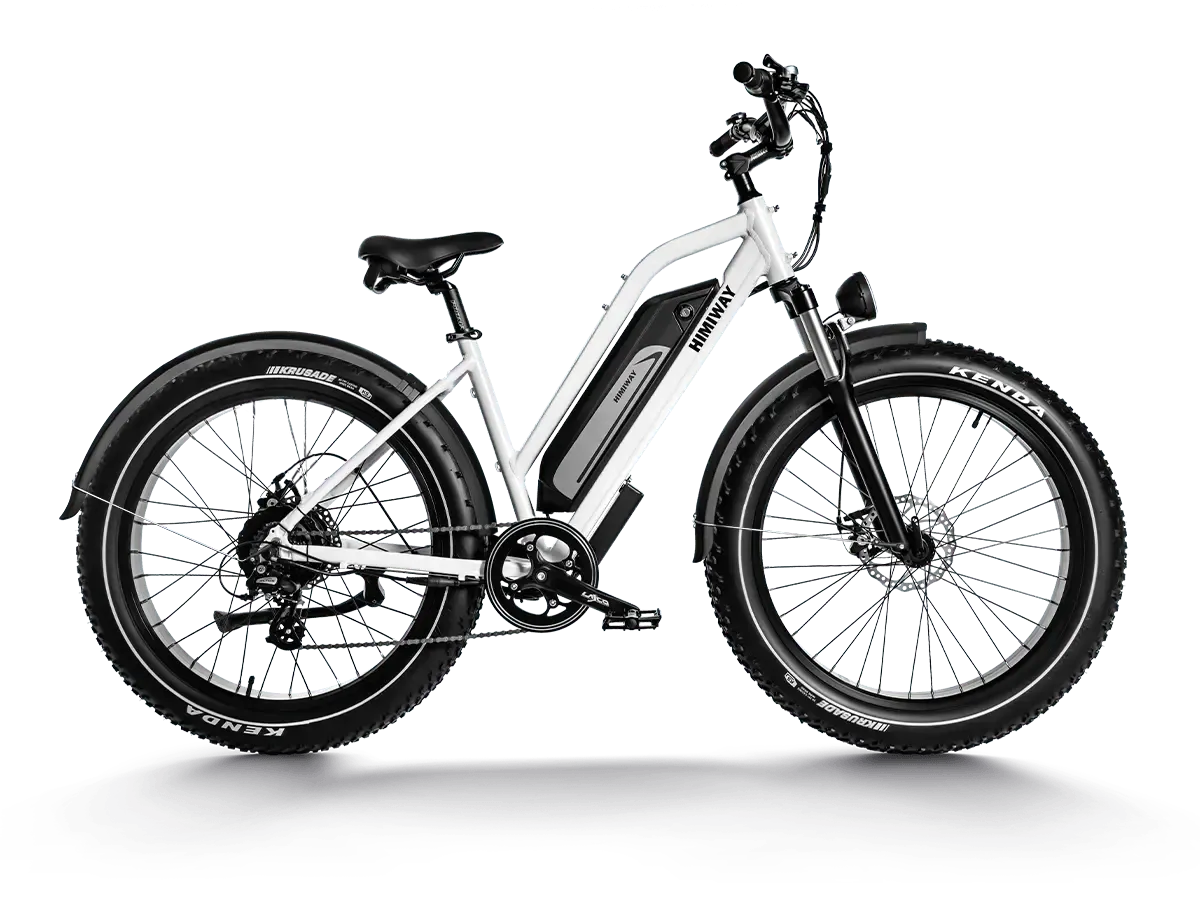
Which Himiway Cruiser Should You Look At?
If you're searching for a Himiway ebike cruiser today, don't assume that the old Cruiser product page represents the newest generation. The D3 Cruiser established the platform, while Himiway's D5 2.0 range now represents the newer generation.
Himiway Cruiser D3 ST
- 750W brushless geared hub motor
- 48V 15Ah Samsung/LG battery
- 26 × 4-inch fat tires
- 35–60 mile claimed range
- 350-lb maximum payload
- 72 lb with battery
If unavailable, review the newer D5 2.0 ST below.

Himiway D5 2.0 ST
- 750W geared hub motor
- Full-suspension platform
- Torque/cadence riding modes
- Step-through design
- Designed around improved comfort
- Current Himiway generation
Pricing and inventory should be verified at checkout.

Himiway Cruiser High-Step
- Traditional high-step frame
- 26-inch fat tire format
- All-terrain oriented geometry
- Electric assistance for hills
- Classic Himiway Cruiser styling
Quick Answer: Is the Himiway eBike Cruiser Worth It?
The Himiway Cruiser is a strong option to investigate if your priorities are comfort, fat-tire stability, electric assistance and longer rides rather than lightweight road-bike performance.
However, there is an important buying detail in 2026: the original Himiway D3 Cruiser/Cruiser ST is no longer the newest model. Himiway's current product lineup has moved toward the D5 2.0 family. That means shoppers should compare the original Cruiser with the current D5 2.0 ST before making a high-ticket purchase.
- Excellent fit for relaxed recreational riding
- Wide fat tires provide a planted ride
- 750W Cruiser platform offers strong motor assistance
- Large battery supports longer rides
- Step-through version is easier to mount
- Good choice for mixed pavement and packed surfaces
- Newer D5 generation adds modern upgrades
- Always verify local e-bike laws and class requirements
Himiway Cruiser Specs at a Glance
The original Cruiser platform combines a 750W geared hub motor with a 48V 15Ah Samsung/LG battery, 26 × 4-inch tires and a 6061 aluminum frame. Himiway lists a 35–60 mile range, although real-world range varies according to rider weight, terrain, temperature, tire pressure, assist level and riding style.
| Specification | Himiway Cruiser D3/ST |
|---|---|
| Motor | 750W brushless geared hub motor |
| Battery | 48V 15Ah Samsung/LG lithium battery |
| Battery capacity | 720Wh |
| Claimed range | 35–60 miles |
| Top speed | Up to 20+ mph depending on configuration/market |
| Tire size | 26 × 4 inches |
| Frame | 6061 aluminum |
| Weight | Approximately 72 lb with battery |
| Maximum payload | 350 lb |
| Drivetrain | Shimano Altus 7-speed |
| Brakes | Tektro Aries mechanical disc brakes |
| Display | LCD display with USB charging |
Specifications are for the original Cruiser/D3 ST platform and can vary by production version, region or configuration. Verify the exact model before ordering.
Himiway Cruiser vs Cruiser ST vs D5 2.0 ST
The biggest mistake a buyer can make is comparing an older Cruiser specification with a current Himiway model without checking the generation. Use this table as a starting point, then verify the current configuration on Himiway's product page.
| Feature | Himiway Cruiser | Cruiser ST | D5 2.0 ST |
|---|---|---|---|
| Generation | D3 | D3 | Newer generation |
| Frame style | High-step | Step-through | Step-through |
| Motor | 750W | 750W | 750W class platform |
| Battery | 48V 15Ah | 48V 15Ah | Current-generation battery configuration |
| Tires | 26 × 4" | 26 × 4" | Model-dependent |
| Suspension | Front suspension | Front suspension | Full-suspension platform |
| Brakes | Mechanical disc | Mechanical disc | Hydraulic on current D5 2.0 ST specification |
| Best reason to consider | Classic Cruiser design | Easy mounting | Newer technology and comfort upgrades |
| Availability | Check live listing | Currently shown sold out | Check current inventory |
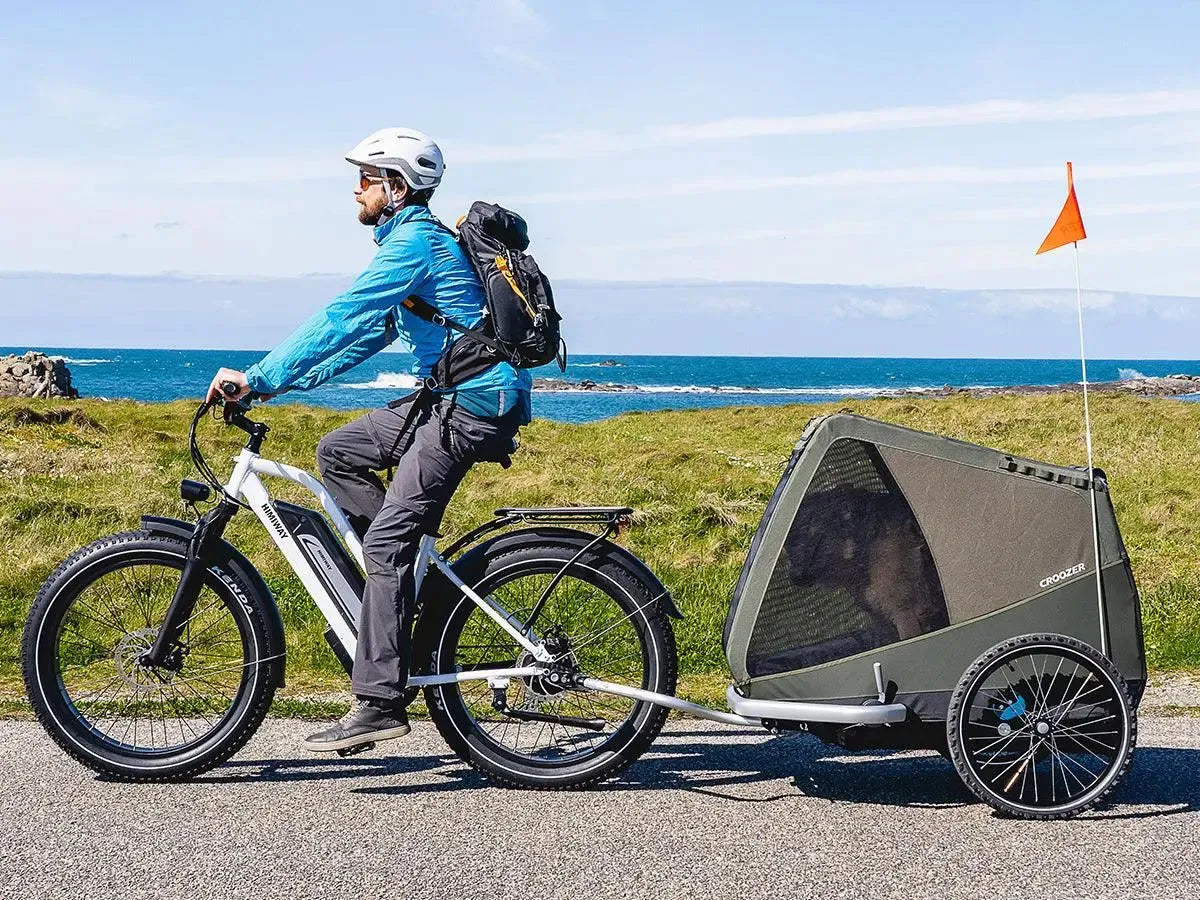
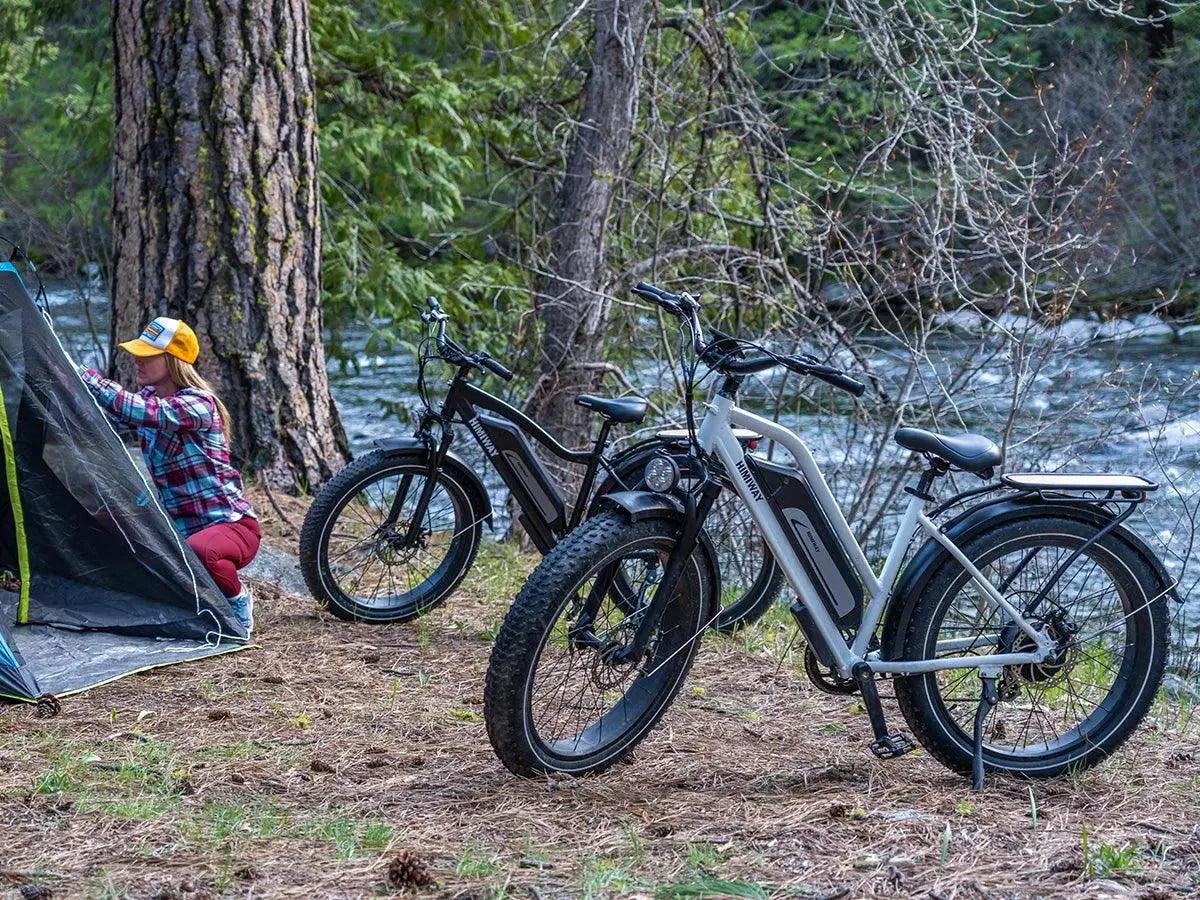
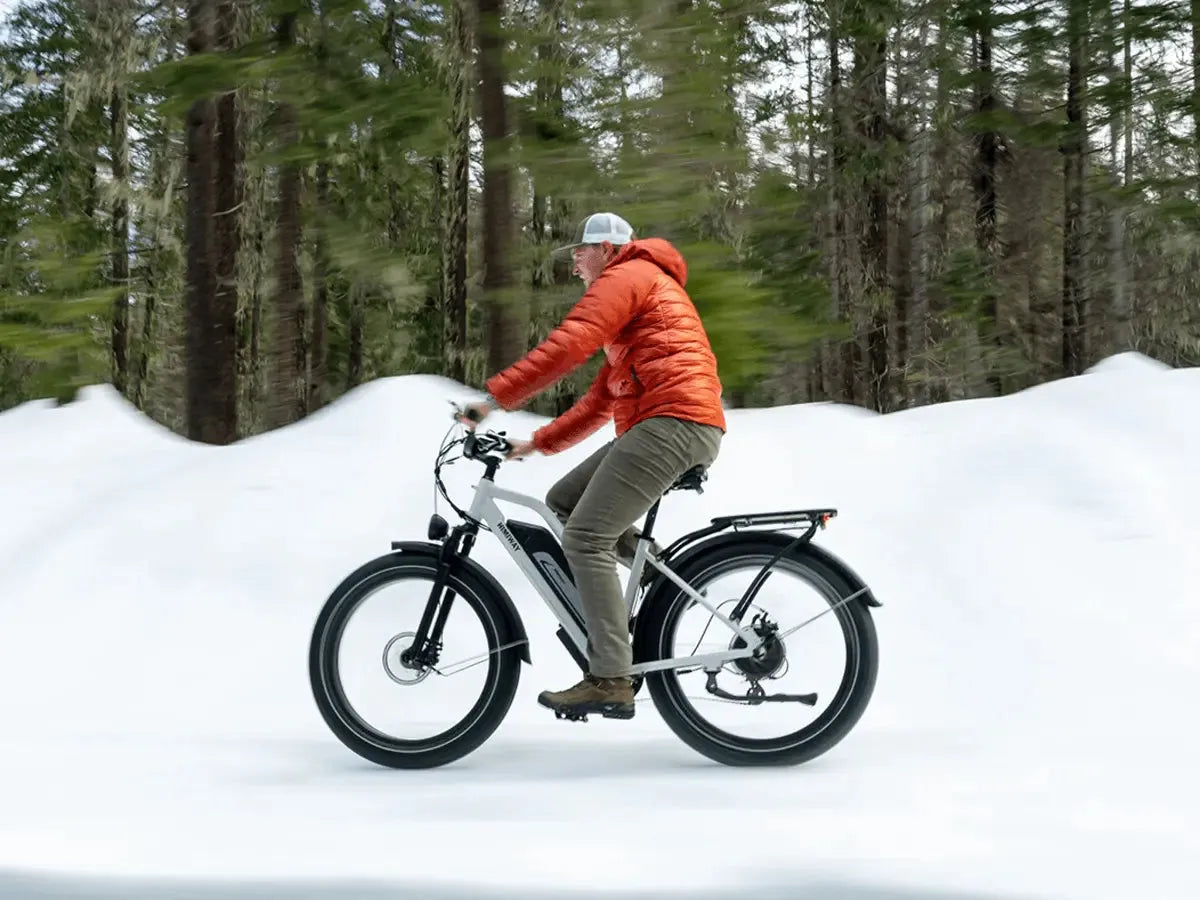
See the Himiway Cruiser From Different Angles
These images use Himiway-hosted product and lifestyle photography so shoppers can see the frame, fat tires, riding position and real-world use cases.


750W eBike Power Calculator: Watts to Horsepower
Motor wattage is useful, but watts alone don't tell you how an e-bike will feel on the road. Use this calculator to convert motor wattage to approximate mechanical horsepower and compare estimated power levels.
Himiway eBike Cruiser Review
The Himiway Cruiser became popular for a straightforward reason: it combines the visual appeal of a comfortable cruiser with the capability of a fat-tire electric bike. Instead of building a bicycle exclusively for road speed or technical mountain riding, Himiway positioned the Cruiser around everyday versatility.
That distinction matters. A cruiser-style electric bike is usually purchased because the owner wants to enjoy riding rather than treat every ride like a workout. The upright geometry, broad tires and electric assistance can make longer recreational trips easier, while the fat-tire format provides additional stability on imperfect surfaces.
1. The Cruiser's Biggest Advantage Is Comfort
Comfort is one of the most important reasons to consider a Himiway Cruiser. Traditional road bikes tend to place the rider in a forward position. Aggressive mountain bikes can also emphasize control and performance rather than relaxed posture.
The Cruiser takes a different approach. The rider sits in a more natural position, while the wide tires and suspension fork help soften the experience over cracked pavement, gravel and other rough surfaces.
For casual riders, this can make a significant difference. A bicycle that feels comfortable is more likely to be ridden frequently. That turns an e-bike from an expensive recreational product into something that can become part of a weekly routine.
2. Why Fat Tires Matter
The original Cruiser uses 26 × 4-inch tires. That is considerably wider than the tires found on many conventional city bicycles.
A wider tire creates a large contact patch with the riding surface. Depending on tire pressure and terrain, this can contribute to a planted feeling and provide additional cushioning.
Fat tires are particularly useful for riders who encounter gravel, packed dirt, grass, sandy sections or rough pavement. They aren't a substitute for a dedicated mountain bike on technical trails, but they make the Cruiser more versatile than a narrow-tire commuter.
3. The 750W Motor Is Designed for Everyday Assistance
The original Cruiser platform uses a 750W brushless geared hub motor. Motor wattage should not be treated as a complete performance rating, because acceleration also depends on the controller, battery voltage, torque, gearing, rider weight and terrain.
In practical terms, the Cruiser's motor is intended to make starts, hills and headwinds easier. That's exactly where electric assistance adds value to a cruiser-style bicycle.
Rather than requiring the rider to maintain high physical effort for every incline, the motor can provide assistance while the rider continues pedaling.
4. Battery Capacity and Real-World Range
The D3 ST specification uses a 48V 15Ah Samsung/LG battery, equivalent to approximately 720Wh.
Himiway lists a range of approximately 35–60 miles for the platform. However, published range figures should never be interpreted as a guarantee for every rider.
A heavier rider climbing hills in high assist mode can consume energy substantially faster than a lighter rider traveling on flat pavement with lower assistance.
Temperature, tire pressure, wind, stop-and-go traffic and riding speed can also affect battery consumption.
5. Is the Cruiser Good for Heavier Riders?
The D3 ST specification lists a maximum payload capacity of 350 pounds. Payload is important because it includes more than just the rider: depending on the manufacturer's definition, cargo and accessories may contribute to the total load.
Riders near the upper end of the payload range should also pay attention to tire pressure, braking distance, acceleration and terrain. A bicycle can technically support a particular payload while still behaving differently under a heavier load.
6. Cruiser vs Step-Through Cruiser
The biggest practical difference is frame access.
A high-step frame has a traditional bicycle top tube. A step-through design lowers the area that the rider needs to clear when mounting. This can be particularly useful for riders who prioritize easy mounting, frequent stops or a more accessible frame design.
The Cruiser ST therefore makes sense for a different buyer than the classic high-step Cruiser even when the motor and battery architecture are similar.
7. Who Should Consider the Himiway Cruiser?
The Cruiser is most interesting for adults who want an electric bike for recreational rides, neighborhood transportation, bike paths, errands, campground exploration and mixed surfaces.
- Adults wanting an upright and relaxed riding position
- Riders who prefer wide tires
- People who ride on imperfect pavement
- Commuters who want electric assistance on hills
- Recreational riders planning longer weekend rides
- Riders who value stability over lightweight handling
- Buyers interested in an established Himiway platform
8. Who Should Consider Something Else?
The Cruiser isn't automatically the right choice for everyone.
If your priority is carrying the bike upstairs every day, a 72-pound fat-tire e-bike may feel cumbersome. If your priority is technical mountain riding, a purpose-built mountain e-bike may provide more appropriate geometry and suspension. And if you want the newest Himiway technology, the D5 2.0 family deserves attention.
The best purchase therefore depends on how and where you actually ride.
9. Is a Himiway Cruiser Good for Seniors?
A step-through electric cruiser can be attractive to older riders because mounting can be easier and electric assistance reduces the physical effort required on hills and longer rides.
However, weight remains important. A fat-tire e-bike can be substantially heavier than a conventional bicycle, so riders should consider whether they can comfortably maneuver, store and transport it.
10. Cruiser Maintenance
Like any e-bike, a Himiway Cruiser benefits from routine maintenance. Check tire pressure before rides, inspect the brakes, keep the chain lubricated and make sure electrical connections remain secure.
Fat tires should not simply be inflated to the maximum pressure printed on the sidewall. Follow the manufacturer's recommendations and adjust within the appropriate range for your weight and riding conditions.
Battery care is equally important. Use the correct charger, avoid exposing the battery to extreme temperatures and follow Himiway's charging and storage instructions.
11. What Makes the New D5 2.0 Important?
This is the most important update for someone searching for "Himiway eBike Cruiser" today.
The original Cruiser is an established design, but Himiway has now moved its lineup forward with the D5 2.0 family. The company describes the D5 2.0 as an evolution of the D3 Cruiser, incorporating feedback from riders and adding newer hardware.
The current D5 2.0 ST brings a more modern configuration with features such as full suspension, upgraded braking and newer control technology. Buyers who are shopping rather than specifically collecting the older Cruiser model should therefore compare both generations.
12. What Should You Check Before Clicking Buy?
- Confirm the exact model generation.
- Confirm the current price.
- Confirm whether the model is actually in stock.
- Check the battery specification.
- Check rider height recommendations.
- Check maximum payload.
- Review the warranty.
- Review the return policy.
- Check your local e-bike laws.
- Confirm shipping availability to your location.
Himiway Cruiser Pros & Cons
What We Like
- Wide 26 × 4-inch fat tires
- 750W geared hub motor
- Large 720Wh battery on the D3 ST platform
- 350-lb listed payload
- Comfort-focused riding position
- Step-through option
- Strong all-purpose versatility
- Established Himiway ecosystem
What to Consider
- Approximately 72 lb with battery
- Original D3 Cruiser is an older generation
- Original D3 ST is currently shown sold out
- Mechanical brakes on the D3 ST
- Real-world range varies substantially
- Fat tires can increase rolling resistance
- Local e-bike laws vary
- Current D5 2.0 deserves comparison before purchase
How Far Can a Himiway Cruiser Really Go?
The advertised 35–60 mile range is best treated as a range window rather than a promise. Battery range depends on how much energy the motor must provide.
| Riding Situation | Expected Battery Impact |
|---|---|
| Flat pavement + low assist | Generally more efficient |
| Moderate hills + medium assist | Moderate consumption |
| Steep hills + high assist | Higher consumption |
| Heavy rider + cargo | Higher consumption |
| Strong headwind | Higher consumption |
| Low tire pressure | Higher rolling resistance |
More Himiway E-Bike Guides
Build a topical SEO cluster around your main Himiway content so readers can move naturally from informational searches into comparison and purchase pages.
Himiway D5 Electric Bike
Compare the newer D5 platform, power, range and comfort features.
Read D5 Guide →Himiway Fat Tire eBike
Learn how fat tires affect stability, comfort, traction and range.
Read Fat Tire Guide →Himiway Electric Bike Reviews
Compare Cruiser, D5, Zebra and other Himiway models before buying.
Read Reviews →Update the three internal URLs above to your exact Shopify blog article handles if your store uses different URL slugs.
How to Choose the Right Himiway Cruiser
Choose the High-Step Cruiser If...
You prefer a conventional bicycle frame and don't need the lower step-through area. The high-step configuration has the traditional Cruiser appearance and can be appealing to riders who are comfortable mounting a standard frame.
Choose the Cruiser ST If...
Easy mounting is a major priority. The step-through frame is particularly useful for riders who frequently stop, start or simply prefer not to swing a leg over a high top tube.
Look at the D5 2.0 ST If...
You want the newer generation rather than the original Cruiser design. The D5 2.0 ST adds a more modern feature set and is the model to compare when the original Cruiser is unavailable.
Think About Your Storage Situation
A 72-pound e-bike isn't something everyone wants to lift into a vehicle. Before ordering, measure your garage, storage area or bike rack and determine how you will transport the bicycle.
Himiway eBike Cruiser FAQs
Is the Himiway Cruiser a good electric bike?
The Himiway Cruiser is designed around comfort, fat-tire stability, electric assistance and all-purpose recreational riding. It can be a strong fit for riders who value those characteristics, although the original Cruiser is now an older generation and buyers should compare it with the current D5 2.0 range.
How fast is the Himiway Cruiser?
The D3 ST specification lists a top speed of 20+ mph, but actual speed depends on configuration, rider weight, terrain, battery condition and applicable local regulations. Always follow local e-bike laws.
How far can a Himiway Cruiser go on one charge?
Himiway lists approximately 35–60 miles for the D3 ST platform. Actual range varies according to rider weight, terrain, assist level, speed, weather, tire pressure and other conditions.
What battery does the Himiway Cruiser use?
The D3 ST specification uses a 48V 15Ah Samsung/LG lithium battery, rated at approximately 720Wh.
Is the Himiway Cruiser good for heavy riders?
Himiway lists a maximum payload of 350 pounds for the D3 ST. Riders should include cargo in their calculations and consider braking, tire pressure and terrain when operating near the maximum.
What is the difference between the Cruiser and Cruiser ST?
The major difference is frame design. The Cruiser uses a high-step frame, while the Cruiser ST uses a step-through configuration that makes mounting and dismounting easier.
Is the Himiway Cruiser still available?
Availability depends on the exact model. Himiway currently shows the D3 Cruiser ST as sold out, so buyers should check the live Himiway listing and compare the newer D5 2.0 models.
What replaced the Himiway Cruiser?
Himiway describes the D5 2.0 as the evolution of the D3 Cruiser platform. The D5 2.0 ST is therefore one of the most relevant current models to compare if you originally searched for a Cruiser.
Are fat tire e-bikes better for rough roads?
Fat tires can provide a wider contact patch and additional cushioning, which can be useful on imperfect pavement, gravel and packed surfaces. They also add weight and rolling resistance compared with narrower tires, so the trade-off depends on the rider and terrain.
Should I buy the old Cruiser or a newer Himiway?
Compare availability, price, battery, braking system, suspension, frame design and warranty before deciding. If the original Cruiser is unavailable, the current D5 2.0 ST is a logical model to investigate.
Ready to Check the Himiway Cruiser?
The original Himiway Cruiser remains an important model in the brand's fat-tire history, but today's buyer should compare it with the newer D5 2.0 generation before spending $1,000–$2,000+ on an e-bike. Check the current Himiway listing for live inventory, pricing, promotions and the exact model available today.
Prices, availability, specifications and promotional offers may change. Verify final details on the manufacturer's website before purchase.