

Himiway Zebra E-Bike Review: 750W & 80-Mile Range
Himiway Zebra E-Bike Review: Is This 750W Fat-Tire E-Bike Worth It?
The Himiway Zebra e-bike has built a reputation around the combination of a large battery, 750W motor, 26-inch fat tires, substantial payload capacity and all-terrain capability. But specifications alone don't tell you whether it is the right electric bike for your riding style. This detailed guide breaks down the range, motor, battery, comfort, tires, practical usability, specifications, alternatives and the buying questions you should answer before ordering.
Prices, promotions, inventory and included accessories can change. Check the live product page before purchasing.
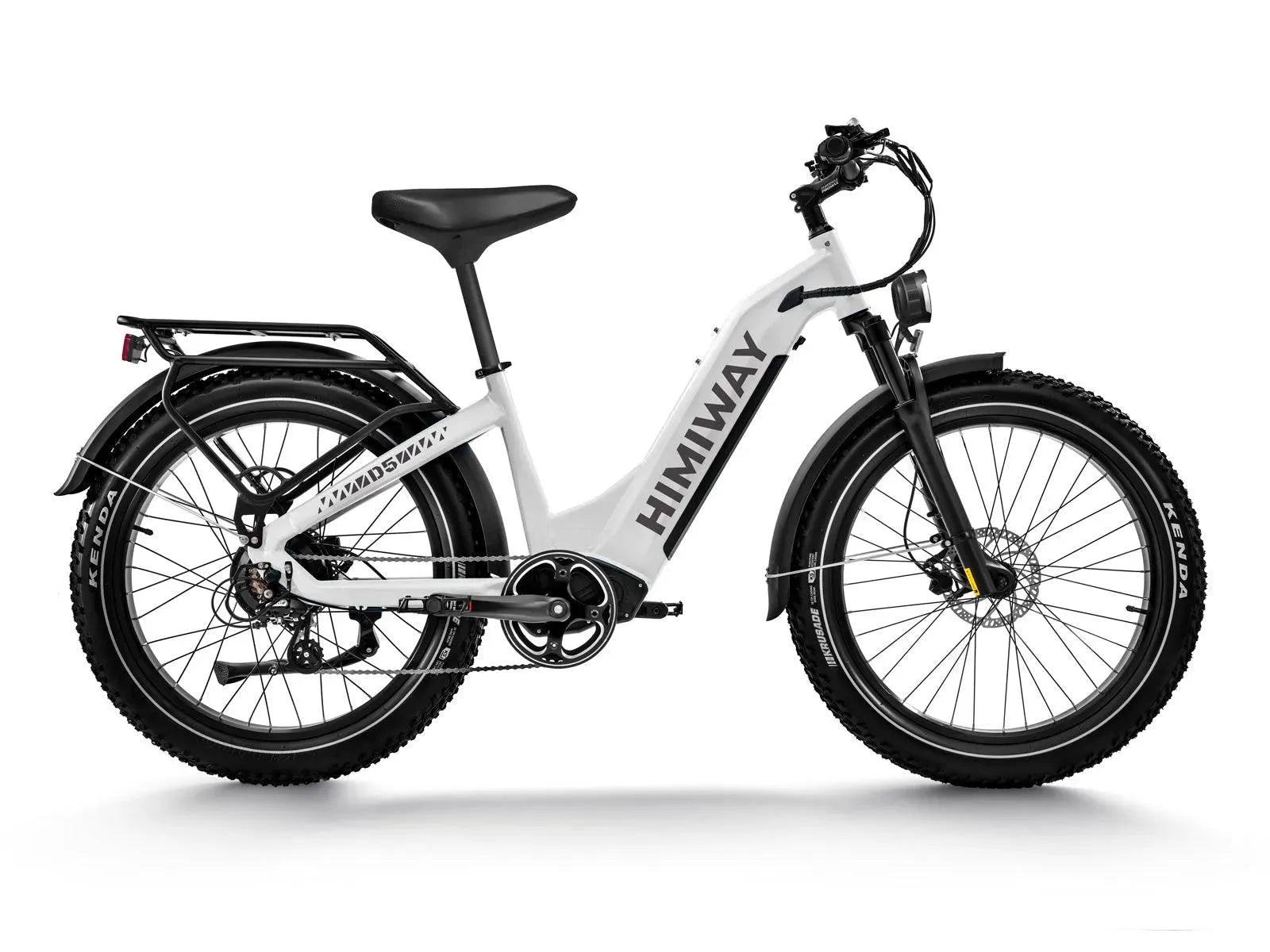
Himiway Zebra E-Bike: Quick Look
Himiway D5 / Zebra
- 750W hub motor
- 48V 20Ah Samsung/LG battery
- Up to 80-mile advertised range
- 26 × 4-inch fat tires
- Torque sensor
- Up to 400-lb payload
- Hydraulic disc brakes
- Front suspension with lockout

Zebra / D5 — Green
The same Zebra/D5 platform shown in a different factory color. The current Himiway product family uses the D5 naming for the model formerly marketed as Zebra.
- All-terrain fat-tire design
- Large integrated battery
- Long-distance positioning
- Utility-friendly frame
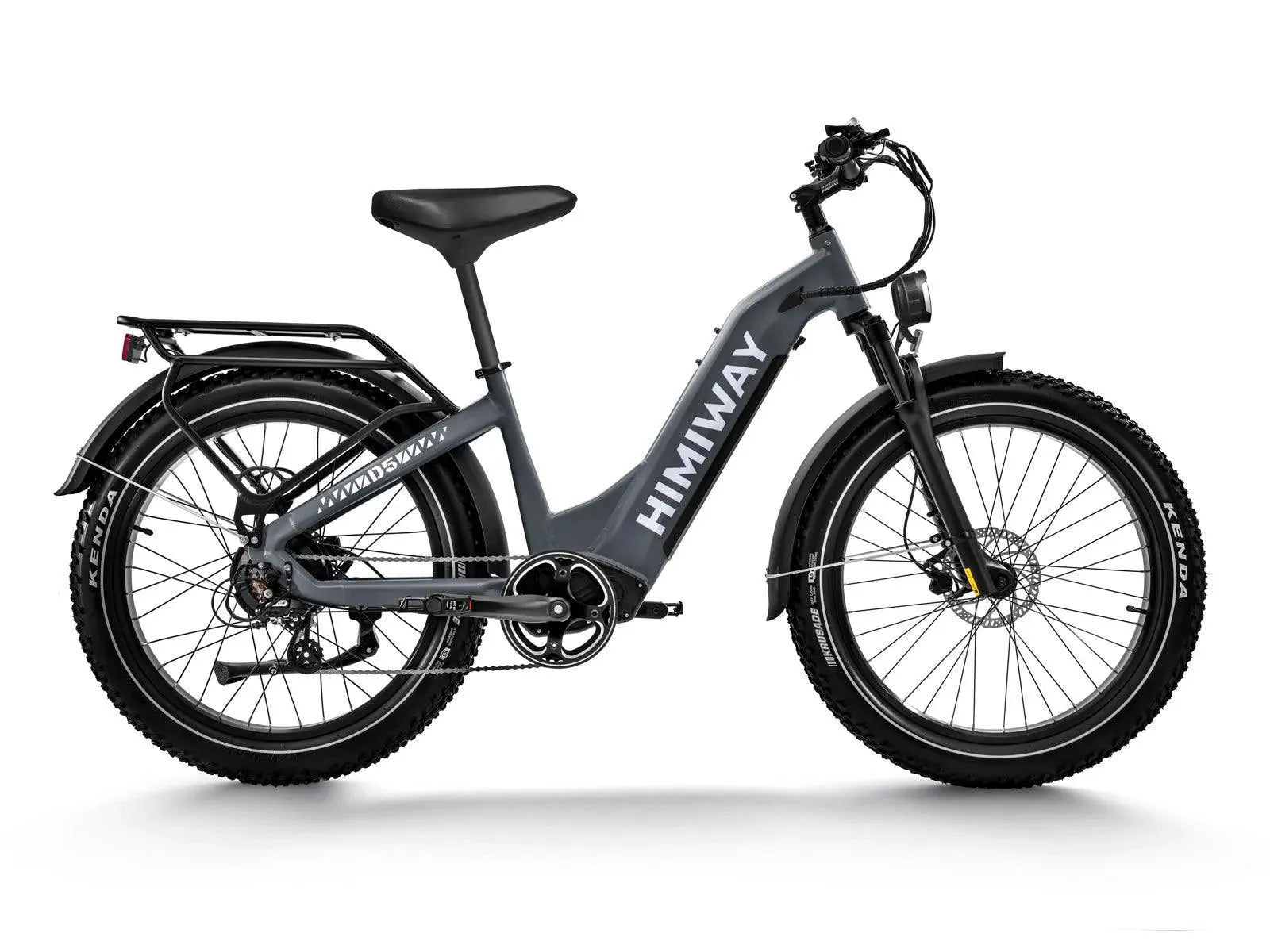
Zebra / D5 — Space Grey
The Space Grey version highlights the bike's integrated frame and practical commuter-oriented design while retaining the platform's fat-tire all-terrain setup.
- 26 × 4-inch Kenda tires
- 750W hub motor
- Large battery system
- Front suspension
Quick Answer: Is the Himiway Zebra a Good E-Bike?
The Himiway Zebra is designed for riders who want a substantial, long-range electric bike rather than an ultra-light city bicycle.
Its core specification package is centered around a 750W hub motor, a 48V 20Ah Samsung/LG battery, 26 × 4-inch Kenda fat tires, a torque sensor and a claimed maximum range of up to 80 miles. Himiway also lists a 400-lb maximum payload for the platform.
The important qualification is range. An advertised maximum range is not the same thing as the distance every rider will achieve. Rider weight, terrain, wind, temperature, tire pressure, assist level, riding speed and how much throttle is used can substantially change real-world battery consumption.
If your priority is a stable, powerful, utility-oriented e-bike with fat tires and a large battery, the Zebra/D5 deserves consideration. If your priority is minimum weight, compact storage or a highly maneuverable lightweight commuter, a different style of e-bike may make more sense.
Himiway Zebra E-Bike Specifications
The table below summarizes the major specifications listed by Himiway for the D5/Zebra platform. Specifications can vary between model years and variants, so verify the exact configuration before ordering.
| Motor | 750W hub motor |
|---|---|
| Battery | 48V 20Ah Samsung/LG |
| Battery energy | 960Wh |
| Advertised range | Up to 80 miles, depending on riding conditions |
| Top speed | 20+ mph listed by Himiway for the D5/Zebra product page |
| Wheels | 26 × 4.0-inch fat tires |
| Tires | Kenda 26 × 4.0 |
| Frame | 6061 aluminum |
| Suspension | Front suspension fork with lockout/adjustment on the ST configuration |
| Sensor | Torque sensor plus speed and brake sensors |
| Brakes | Hydraulic disc brakes on the listed D5/Zebra configuration |
| Payload | Up to 400 lb |
| Recommended rider height | Approximately 5'3"–6'5" depending on configuration |
Himiway Zebra vs Other E-Bike Categories
Choosing an e-bike becomes much easier when you compare the Zebra with the type of bicycle you actually need instead of comparing specifications in isolation. A 750W fat-tire bike solves a different problem from a lightweight city e-bike or a compact folding model.
| Feature | Himiway Zebra / D5 | Light Commuter E-Bike | Compact Folding E-Bike |
|---|---|---|---|
| Motor class | 750W hub motor | Often lower-power | Often lower-power |
| Battery size | 48V 20Ah / 960Wh | Usually smaller | Usually smaller |
| Fat tires | ✓ Yes | Usually no | Usually no |
| Long-range focus | ✓ Strong | Moderate | Moderate |
| Portability | Heavy/substantial | Usually easier | ✓ Strong |
| Rough terrain | ✓ Well suited | Depends on tires | Limited by design |
| Utility use | ✓ Strong | Good | Moderate |
750W Motor: Watts to Horsepower & Speed Tool
Motor wattage can be converted into an electrical power equivalent in horsepower, but watts alone cannot accurately predict an e-bike's road speed. Speed also depends on gearing, controller limits, rider weight, aerodynamics, terrain, battery voltage and local regulations.
Indicative speed class: approximately 20 mph for a Zebra/D5-style configuration when operating within its stated speed specification.
This calculator is educational. It is not a dyno measurement and should not be used as a guarantee of speed or range.
Himiway Zebra E-Bike Review
The Himiway Zebra e-bike occupies an interesting part of the electric bicycle market. It is not trying to be a featherweight road bike, and it is not designed primarily around compact storage. Instead, the Zebra/D5 concept focuses on battery capacity, stability, utility and all-terrain versatility.
That distinction matters. Many e-bike buyers start with the motor number and immediately assume that a higher wattage automatically means a better bicycle. In reality, an e-bike is a system. Motor output, battery capacity, controller behavior, tire size, rider weight, gearing, brakes, suspension and frame geometry all influence the riding experience.
The Zebra's 750W hub motor gives the bike a substantial power platform, while the 48V 20Ah battery provides 960Wh of nominal energy. That is a meaningful battery size for riders who care about longer rides and want more flexibility around pedal-assist levels.
Why the Large Battery Matters
Battery capacity is one of the most important specifications to examine when shopping for a long-range e-bike. The Zebra's 48V 20Ah battery works out to 960Wh. In simple terms, watt-hours describe the amount of stored electrical energy available to the motor and electronics.
However, 960Wh should not be interpreted as a guaranteed 960Wh of usable energy under every condition. Battery management, temperature, load, riding conditions and other factors influence actual consumption. The manufacturer's advertised range is also based on controlled or favorable conditions and should therefore be treated as a maximum reference rather than a promise for every rider.
For someone commuting on relatively flat roads with moderate assistance, a large battery can provide valuable flexibility. For a heavier rider, hilly terrain or frequent throttle use, energy consumption can increase substantially.
750W Hub Motor: What Should You Expect?
Himiway lists a 750W hub motor for the Zebra/D5. Hub motors are popular because they are mechanically straightforward and can provide strong assistance without requiring a complex mid-drive drivetrain.
A 750W motor is particularly useful when the bike is carrying a heavier combined load or dealing with rolling terrain. It can also make starting from a stop feel more confident than a lower-powered system, depending on controller tuning and riding mode.
The key point is that advertised motor wattage should not be confused with continuous real-world power at every moment. Electrical input, controller limits, battery voltage and motor efficiency all matter. The rider experience is therefore more complicated than simply saying "750W equals a specific speed."
26 × 4-Inch Fat Tires
One of the most recognizable features of the Himiway Zebra is its 26 × 4-inch fat-tire setup. Wide tires can provide additional surface area and cushioning compared with narrow commuter tires.
This can be useful when riding over loose gravel, compacted dirt, uneven paths or other surfaces where stability matters. Fat tires also contribute to the Zebra's distinctive appearance.
There is a trade-off, however. Large tires, wheels, suspension hardware and a large battery contribute to the bike's substantial overall character. A rider who needs to regularly lift an e-bike onto a staircase, into a small vehicle or onto a rack should pay particular attention to total bike weight and rack compatibility.
Torque Sensor: Why It Matters
The Zebra/D5 specification includes a torque sensor. Torque sensors detect how much force the rider is applying to the pedals and can provide assistance that feels more responsive to rider input than some basic cadence-only systems.
For riders who want an e-bike that still feels like cycling rather than simply operating a motorized vehicle, a torque sensor can be an important feature. It can also make power delivery feel more natural during starts, climbs and changes in riding intensity.
400-Pound Payload Capacity
Himiway lists a maximum payload of 400 pounds for the D5/Zebra. Payload is not simply the rider's body weight. Depending on the manufacturer's definition, it can include the rider, cargo and accessories.
That makes the specification particularly relevant for utility riders, larger riders and anyone who intends to use a rear rack or other cargo equipment. Buyers should still follow the manufacturer's instructions for racks, accessories, tire pressure and loading.
Is the Zebra Good for Commuting?
The Zebra can work as a commuter, especially for riders who value stability and battery capacity. Its fat tires and substantial frame can make it feel planted on mixed surfaces.
But commuting requirements vary. If your route involves carrying the bicycle up several flights of stairs or placing it into a compact sedan every day, the Zebra's large-bike design may be less convenient than a lighter commuter model.
For riders who have secure bike storage, a suitable rack and longer commutes, the battery capacity becomes a much more attractive feature.
Is It Good for Trails and Off-Road Riding?
The fat tires and suspension-oriented design make the Zebra suitable for many types of recreational mixed-surface riding. However, "all-terrain" should not be interpreted as "every type of mountain-bike trail."
Riders planning technical downhill riding, large jumps or demanding mountain-bike terrain should choose equipment specifically designed and rated for those activities. An electric fat-tire utility bike is a different category from a purpose-built enduro or downhill mountain bike.
Braking and Control
A powerful and relatively heavy e-bike needs an appropriate braking system. The listed D5/Zebra configuration uses hydraulic disc brakes, which can provide strong modulation and stopping performance.
Brake performance is also affected by rider weight, speed, tire condition, brake-pad wear, rotor condition and terrain. Regular inspection remains important regardless of how impressive the original specification looks.
Battery Range: What Can Reduce It?
The advertised 80-mile figure is one of the most attractive parts of the Zebra specification. But range estimates are particularly sensitive to real-world variables.
- Rider and cargo weight
- Riding speed
- Throttle usage
- Pedal-assist level
- Hills and elevation changes
- Headwind
- Cold temperatures
- Tire pressure
- Frequent acceleration and braking
- Riding surface
For that reason, it is better to think about the Zebra as an e-bike with a large battery and potentially long range rather than buying it solely because a marketing number says "80 miles."
Who Should Consider the Himiway Zebra?
The Zebra/D5 makes the most sense for buyers whose priorities include battery capacity, fat tires, substantial payload capacity, stability and a powerful motor system.
It can be particularly appealing to riders who want one bicycle that can handle commuting, errands, recreational rides and moderate mixed terrain without feeling like a lightweight city bike.
Who Should Consider Something Else?
A different e-bike may be more appropriate if your primary concern is portability. The Zebra's equipment package makes it a substantial bike, and that is part of its appeal as well as something prospective buyers should consider.
Riders with very limited storage, small vehicles or frequent stairs should compare dimensions and weight before ordering.
Himiway Zebra vs Zebra ST
Himiway also offers the Zebra/D5 family in step-through configurations. The ST version can be attractive to riders who prefer easier mounting and dismounting.
The current Himiway ST page identifies the product as the D5 ST (Zebra ST) and lists a 750W motor, 48V 20Ah Samsung/LG battery, 26 × 4-inch tires and a 400-lb payload. The page also currently shows an example promotional price of $1,499, reduced from $2,299, but promotions are subject to change. :contentReference[oaicite:2]{index=2}
Current Pricing and Deals
E-bike pricing changes frequently because manufacturers rotate sales, accessory bundles and seasonal promotions. For that reason, the safest buying strategy is to use the product page to confirm the price at the moment you are ready to order rather than relying on an old screenshot or cached price.
Himiway's current page has displayed promotional pricing and accessories bundled with some configurations. The page also advertises free shipping, a 15-day return policy and a 2-year warranty in its site-wide purchase information. Always confirm the terms that apply to your exact location and configuration before purchase. :contentReference[oaicite:3]{index=3}
What Comes With the Bike?
The listed D5 ST page shows the e-bike, protection fender kit, rear rack, 16-in-1 repair tool, charger and manual among the included delivery items. Accessories and bundles can change between promotions and configurations, so check the current product listing before assuming an accessory is included. :contentReference[oaicite:4]{index=4}
Is the Himiway Zebra Fast?
Himiway lists the D5/Zebra with a 20+ mph top-speed specification on its product page. Actual speed depends on configuration, battery state, rider weight, terrain, riding mode and applicable regulations. :contentReference[oaicite:5]{index=5}
Remember that motor wattage is not a legal classification by itself. Local e-bike regulations can define classes, maximum assisted speeds, throttle requirements and where different types of e-bikes may be used. Check the rules applicable to your location before riding.
Maintenance Considerations
Like every e-bike, the Zebra needs regular maintenance. Fat tires should be checked for correct pressure, brakes should be inspected regularly, drivetrain components should be kept clean and lubricated as appropriate, and electrical connectors should be protected from damage.
Battery care also matters. Follow Himiway's charging and storage instructions, use the appropriate charger and avoid exposing the battery to conditions outside the manufacturer's recommendations.
Final Buying Checklist
Before ordering a Himiway Zebra, answer these questions:
- Do I have a suitable place to store a large e-bike?
- Can my vehicle's rack safely support the bike?
- Is the frame style appropriate for my height and riding position?
- Do I actually need a large 960Wh battery?
- Will I mostly ride on pavement, gravel or mixed terrain?
- Does the 400-lb payload rating meet my combined rider/cargo needs?
- Are replacement tires, tubes and brake components readily available?
- What warranty and return terms apply to my purchase?
- What is the current price and which accessories are included?
Himiway Zebra Pros & Cons
What Stands Out
- Large 960Wh battery platform
- 750W hub motor
- 26 × 4-inch fat tires
- Torque sensor
- High listed payload capacity
- Utility-friendly frame
- Front suspension
- Long-range positioning
Things to Consider
- Substantial bike compared with lightweight commuters
- Fat tires create additional rolling resistance
- Maximum range will not apply to every rider
- Large frame requires suitable storage
- Vehicle rack compatibility should be checked
- Prices and promotional bundles can change
More E-Bike Guides From RenovoMotors
Explore the newer D5 generation and how it compares with the Zebra. Himiway C5 Sport Review
Compare a different Himiway e-bike design and riding category. Electric Bike Collection
Browse more electric-bike options and high-ticket models.
If your RenovoMotors URLs use different handles, replace the three internal URLs above with your live Shopify URLs before publishing.
Himiway Zebra E-Bike FAQ
Is the Himiway Zebra a good e-bike for long-distance riding?
It is designed with long-distance riding in mind, particularly because of its 960Wh battery. Himiway advertises up to 80 miles of range, but actual range depends on rider weight, terrain, speed, assist level, temperature, wind and throttle usage.
How powerful is the Himiway Zebra motor?
The D5/Zebra specification lists a 750W hub motor. Motor performance should be evaluated together with the battery, controller, gearing, rider weight and terrain rather than wattage alone.
How far can a Himiway Zebra go on one charge?
Himiway advertises up to 80 miles for the D5/Zebra platform. This is a maximum-range figure rather than a guarantee. Real-world distance varies significantly according to riding conditions and how the bike is operated.
What size battery does the Himiway Zebra have?
The listed D5/Zebra configuration uses a 48V 20Ah Samsung/LG battery, equivalent to approximately 960Wh of nominal energy.
What tires does the Himiway Zebra use?
The specification lists 26 × 4.0-inch Kenda fat tires. The wide tires are part of the bike's stability and mixed-surface design.
Is the Himiway Zebra good for heavier riders?
Himiway lists a maximum payload of up to 400 pounds. Payload can include the rider and cargo, so buyers should consider the complete combined load and follow the manufacturer's instructions.
Does the Himiway Zebra have a torque sensor?
Yes. The D5/Zebra specification lists a torque sensor along with speed and brake sensors. Torque sensing can provide assistance that responds to how strongly the rider pedals.
Is the Himiway Zebra good for off-road riding?
Its fat tires, suspension-oriented setup and substantial frame make it suitable for many mixed-surface and recreational rides. It should not automatically be considered a substitute for a purpose-built mountain bike designed for technical downhill or jumping.
How much does the Himiway Zebra cost?
Pricing varies by model, configuration and promotion. The current Himiway D5 ST/Zebra ST page has displayed promotional pricing, but buyers should use the live product page to confirm the current price, included accessories and availability before purchasing.
Should I buy the Zebra or a lighter commuter e-bike?
Consider the Zebra if battery capacity, stability, fat tires and utility are high priorities. A lighter commuter may be more practical if you frequently carry your bike upstairs, place it into a vehicle or need a compact bicycle for storage.
Ready to Check the Himiway Zebra E-Bike?
The Zebra/D5 combines a 750W hub motor, 960Wh battery, fat tires, torque sensing and a high payload rating into a platform aimed at riders who want an electric bike capable of both everyday utility and longer recreational rides.
Himiway promotions and inventory can change. Instead of relying on an old advertised price, check the live listing for the current deal, available colors, accessories and delivery information.
Check Current Himiway Zebra Deal →Product specifications referenced in this article were checked against Himiway's current D5/Zebra product listings. Model names, specifications, prices, accessories, promotions and availability may change. Always verify the exact configuration on the manufacturer's product page before purchasing.